I remember the moment clearly — I was sitting at my desk, staring at my computer screen with a sinking feeling. My Google My Business profile for my Washington, DC-based business had been flagged for verification issues, and despite following all the supposed best practices, I kept hitting dead ends. It was frustrating, almost defeating. Then, it hit me — I wasn’t alone. Countless local business owners in DC face these verification hurdles, unsure how to overcome them and get their visibility back on track.
What’s Really Holding Your DC Business Back on Google Maps?
In my early days, I made a critical mistake — I assumed that the verification process was straightforward and that copying strategies from other markets would work equally well here. Turns out, DC’s local SEO landscape has unique challenges, especially with recent updates causing more verification roadblocks. Today, I want to guide you through the three major verification hurdles I encountered and reveal how I beat them. Whether it’s navigating identity verification, dealing with recent policy shifts, or handling technical glitches, my goal is to prepare you with proven tactics that work in our nation’s capital. Ready to stop hitting walls and start climbing rankings? Let’s get into the nitty-gritty.
Is My Business Really at Risk of Being Invisible?
One of my biggest fears was losing visibility due to a verification failure. Early on, I overlooked the importance of accurate business information — a mistake that can easily trip up even savvy local entrepreneurs. According to research from BrightLocal, consistent NAP (Name, Address, Phone Number) signals are fundamental for local SEO success, especially in competitive markets like DC. If your info isn’t perfectly aligned across platforms, Google’s algorithms get confused, and your profile may get stuck or even temporarily suspended. So, the key is knowing exactly how to align your details and verify faster. If you’ve faced similar frustrations or are wondering why your map rankings aren’t improving, you’re not alone. But don’t worry — there are strategic actions we can take to turn this around and ensure your business’s visibility soars.
Secure Your Business Verification Step by Step
Start by gathering all necessary documentation, including business licenses, tax IDs, and proof of physical location. During my own verification process, I learned that providing clear, unambiguous evidence can make or break your approval—think of it as presenting a perfectly assembled puzzle where every piece fits clearly. Submit these documents through the Google My Business dashboard, ensuring that files are clear and legible. Patience is key; sometimes, Google takes several days to review your submission. If you encounter rejection, review their feedback carefully and resubmit with enhanced documentation. To streamline this process, keep a checklist of required proof and refer to resources like these verification tips for guidance.
Overcoming Policy Shifts and Maintaining Consistency
Policy updates can feel like navigating a maze—especially in a competitive market like Washington DC. To avoid verification issues, double-check that all your business info matches exactly across platforms, including Yext, Yelp, and your website. Think of your NAP details (Name, Address, Phone) as a uniform; inconsistency here is like giving Google a mismatched uniform and confusing their algorithm. Regularly audit your info using tools like Moz Local or Whitespark to maintain uniformity. When there’s a new policy update, adapt instantly—delayed compliance could derail your efforts, as I experienced when my profile was flagged for outdated info. Step by step, regular audits and prompt updates keep Google confident in your legitimacy, preventing verification setbacks.
Technical Fixes to Prevent Glitches from Costing You Visibility
Technical issues can silently sabotage your rankings—think of them as leaks in a boat. During a campaign, I noticed that inconsistent URL structures or duplicate listings caused map visibility dips. To fix this, consolidate duplicate profiles and ensure that your primary GMB listing is verified, optimized, and free of conflicting information. Use Google Search Console to identify crawl errors or indexing issues that might affect your map ranking. Also, verify that your website’s schema markup is correct, as errors here can hide your business from local searches. For a comprehensive boost, implement Google Maps optimization tips that can improve site and profile performance simultaneously. Remember, resolving technical glitches quickly restores your visibility and keeps competitors from overtaking you in the local map pack.
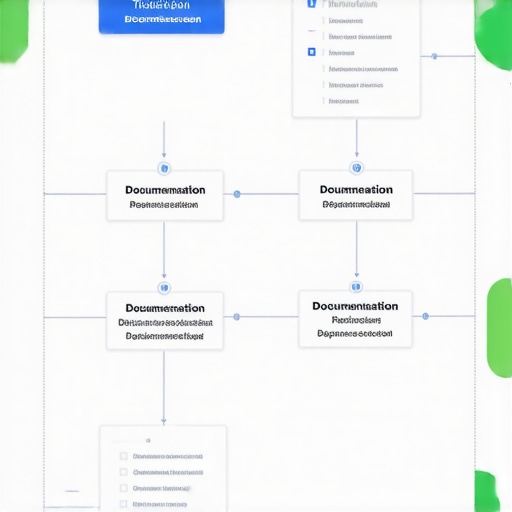
Illustration of a step-by-step flowchart for Google My Business verification process, with icons representing documentation, submission, and approval stages, designed to simplify the often confusing verification journey for DC business owners.
Many local business owners believe that simply claiming their Google My Business (GMB) profile and collecting high reviews will guarantee top rankings in Washington DC. However, this is a misleading myth that can lead you to overlook critical nuances in local SEO. In my experience, relying solely on reviews or proximity can cause your rankings to plateau, especially in a competitive market like DC. Advanced strategies like optimizing your profile for recent Google Maps ranking signals and maintaining consistent NAP data are often neglected but vital for sustained visibility. One common trap is assuming that the same tactics work universally; DC’s local landscape features unique challenges including policy updates and technical glitches that require a tailored approach. According to local SEO expert Michelle Wolf, understanding the evolving Google algorithm and adapting your strategies accordingly is crucial for long-term success—more than just reviews and location proximity. If you’re still focusing only on the basics, you might be missing hidden opportunities that push you beyond competitors. Dive into cornerstone content like these Washington DC map ranking secrets to unearth overlooked tactics. Have you ever fallen into this trap? Let me know in the comments.
How do I Maintain My Washington DC Map Rankings Over Time
Once you’ve achieved a solid position on Google Maps and local search results, the key question becomes: how do you ensure those rankings stick and even improve? Consistency, precision, and the right tools are your best allies. I personally rely on advanced tracking software like BrightLocal, which provides comprehensive insight into your local rankings across different neighborhoods and competitors. Its ability to monitor fluctuations daily allows me to catch and correct issues before they impact visibility significantly. Additionally, using Google Search Console makes it easier to identify crawl errors or indexing problems that could silently drag down your rankings.
Another tool I recommend is Whitespark’s Local Citation Finder. It helps identify citation opportunities and gaps, making sure your NAP data remains consistent across platforms—an often overlooked aspect that Google heavily weighs for rankings. Regular audits using Moz Local also ensure your business information is uniform everywhere, preventing conflicting signals that may cause your listing to falter. Predicting future trends, I believe automation and AI-driven analytics will become even more crucial, allowing local businesses to stay ahead in this rapidly evolving landscape.
For maintaining long-term results, set quarterly reviews to update and optimize your profile based on recent algorithm changes and local market shifts. Implementing scheduled audits and using these tools is a proven way to protect your investment and continue climbing the local ranks.
Remember, tweaking your profile with insights from advanced analytics can dramatically impact your visibility. For example, regularly updating your Google My Business profile with fresh posts, relevant images, and new keywords keeps your listing active and engaging. I highly recommend trying out this approach—it can be a game-changer for sustained growth.
What Are the Best Tools That Keep Your Local SEO Campaign Running Smoothly?
In my ongoing journey with local SEO, I’ve found that specialized tools are vital to maintain momentum. BrightLocal remains my go-to for ranking tracking because of its granular real-time updates and competitor analysis features. This allows me to respond swiftly to any ranking dips or sudden changes on the Washington DC map pack. I also use Whitespark’s citation management tools to audit and fix inconsistent mentions—your citation profile can make or break your visibility in DC’s competitive markets.
For technical health checks, Google Search Console helps identify issues with indexing or structured data that could sabotage your efforts. Ensuring schema markup is correct is especially critical given the recent Google Maps updates, which favor properly optimized profiles (see Google’s own developer docs). Regularly updating your profile with new posts and images using native GMB tools keeps your listing fresh and relevant, which Google favors in ranking algorithms. Lastly, community engagement tools like Birdeye or Grade.us assist in managing reviews proactively, which in turn influences your local reputation.
Looking ahead, I predict that AI-powered tools will become even smarter at providing actionable insights and automating routine tasks. Incorporating this technology into your strategy might seem daunting now, but taking the first step with tools like BrightLocal can elevate your local SEO efforts significantly. Want to see real results? Start by integrating automated citation audits today and watch your Washington DC map rankings stabilize and grow.
3 Surprising Truths I Stumbled Upon About Local SEO in DC
One of the most valuable lessons I learned is that success in Washington DC’s local SEO game requires a personalized approach; what works for others may not fit your specific market niche. I once believed that following generic strategies could propel my business to the top, but I quickly discovered that understanding the unique quirks of DC’s verification policies and ranking signals is essential. This realization pushed me to analyze local competitors more deeply, revealing hidden tactics they used—like niche citation building and hyper-local content—that I had overlooked. Recognizing these nuances helped me refine my approach and build a more resilient map presence.
Gaining Wisdom from Experiments and Mistakes
Trying to troubleshoot verification issues often felt like navigating a maze with no map. During tricky periods, I experimented with different documentation and profile tweaks, learning that sometimes, less is more—clarity and consistency trump quantity. For instance, I found that synchronizing my NAP details across all platforms, including Google My Business, Yelp, and my website, created a ripple effect, boosting my rankings. These mistakes—such as neglecting regular profile audits—taught me that continuous monitoring and quick adjustments are non-negotiable for maintaining visibility in the competitive Washington DC market. Embracing these lessons made my local SEO efforts more agile and effective.
Why Most DC Businesses Miss Out on Map Pack Success
The harsh truth is that many local businesses underestimate the power of ongoing profile optimization and engagement. Simply claiming a listing and waiting for reviews isn’t enough; active management, updated content, and technical health checks are crucial. I uncovered that the recent Google Maps updates favor profiles that demonstrate continual relevance—think fresh images, posts, and review responses. By neglecting these aspects, many are inadvertently sabotaging their chances of reaching the coveted 3-pack. Understanding this has inspired me to prioritize day-to-day profile care, turning routine tasks into strategies that sustain strong rankings over time in Washington DC’s dynamic market.
Curated Resources to Elevate Your Washington DC Local SEO
My toolkit for conquering local SEO includes BrightLocal, which offers real-time ranking tracking and competitor analysis—I’ve found it indispensable for staying ahead. Whitespark’s Citation Finder helps identify citation gaps and inconsistencies, crucial for maintaining accurate NAP data essential in DC’s competitive landscape. For technical health checks, Google Search Console reveals issues that might silently hurt your visibility; I rely on it regularly. Additionally, Moz Local is great for auditing your listings’ uniformity—consistency here keeps your profile in Google’s good graces. These tools empower you to take a data-driven approach, ensuring your efforts translate into tangible map rankings improvements.
Embrace the Future and Keep Moving Forward
Remember, mastering Google Maps and local SEO in Washington DC isn’t a one-time effort—it’s an ongoing journey of learning, adapting, and refining. The strategies and tools I shared can give you a strong foundation, but staying curious and proactive will set you apart in this competitive environment. So, take what you’ve learned here, apply it diligently, and watch your business soar onto the first page of local search results. Your success depends on your willingness to invest in long-term, strategic SEO practices—think of it as building a digital reputation that resonates with DC’s local community and beyond.
What’s the biggest challenge you’re facing with your Google Maps rankings right now? Share below, and let’s grow together.


Leave a Reply